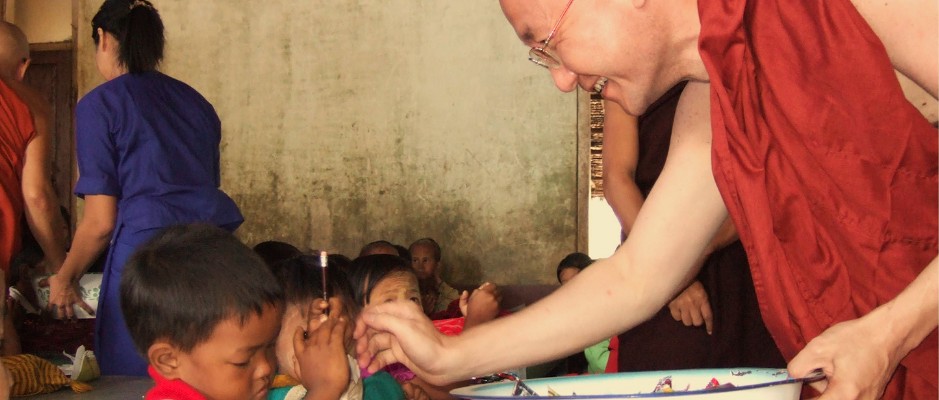
Make Yourself Your True Work
— A Way of Life Discovered by a Former Banker Who Became a Monk in Myanmar —
Kanazawa Guesthouse Pongyi is a small guesthouse in a traditional Japanese house.
Behind this guesthouse is a way of life that its founder, Masaki, came to value through personal struggles and his experience as a monk in Myanmar.
He calls it “Make Yourself Your True Work.”
It means seeing yourself as your most important life’s work — living your own life, rather than letting your job, social status, or success define who you are.
This philosophy is at the heart of Pongyi.
The Origin of Pongyi
— From Masaki’s Experience as a Monk in Myanmar
“Pongyi” means “monk” in Burmese.
Masaki once worked as a banker for about 15 years. He had a family, a home, and a financially comfortable life.
Yet deep inside, he felt an emptiness he could not explain.
“What am I living for?”
That question never left him.
Eventually, his family fell apart. He left the bank, and the business he later became involved in failed, leaving him in debt.
He hit rock bottom.
One day, overwhelmed by despair, he could barely get out of bed. Then he suddenly became aware of something simple.
“Even so, I am still breathing.”
His breathing continued, beyond his conscious control.
In that moment, a small feeling of gratitude arose in his heart.
That experience remains one of the foundations of his life today.
Later, Masaki met Gayuna Cealo, a Japanese Buddhist monk living in Myanmar.
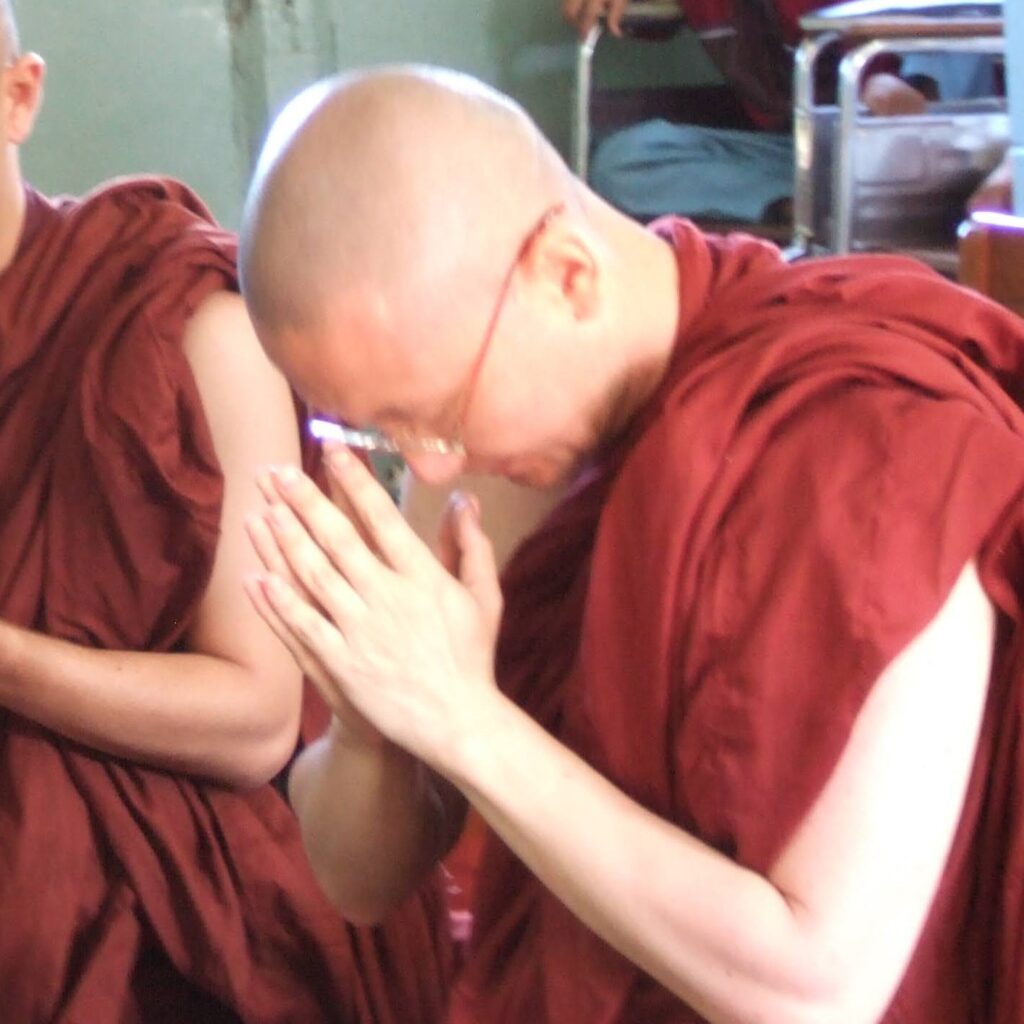
In 2004, at the age of 43, Masaki traveled to Myanmar and became a monk himself.
Under Cealo’s guidance, he practiced meditation and took part in volunteer activities, helping children in orphanages and people in poor villages.
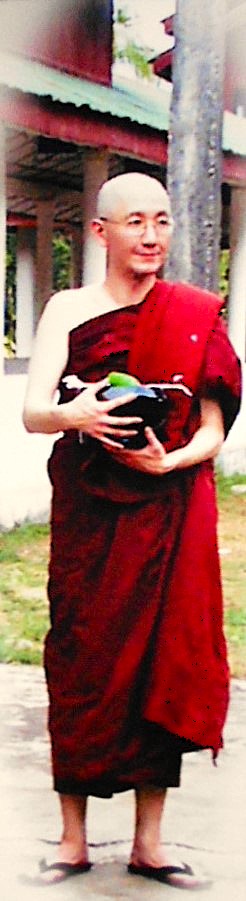
One day, Masaki asked his teacher:
“How can I live true to my soul?”
Cealo replied:
“Someone should break Masaki’s head open with a hammer!”
On another occasion, when Masaki told him he still did not know how he wanted to live, Cealo said:
“It’s because you don’t know that you’re alive. It’s because you don’t know that you experience life. Experience, experience, and experience.”
Instead of searching for answers only through thinking, Masaki learned the importance of living, experiencing, and feeling life for himself.
Through his days of meditation, service, and conversations with his teacher, he gradually began to understand this way of living.
The Morning He Learned to Accept Himself
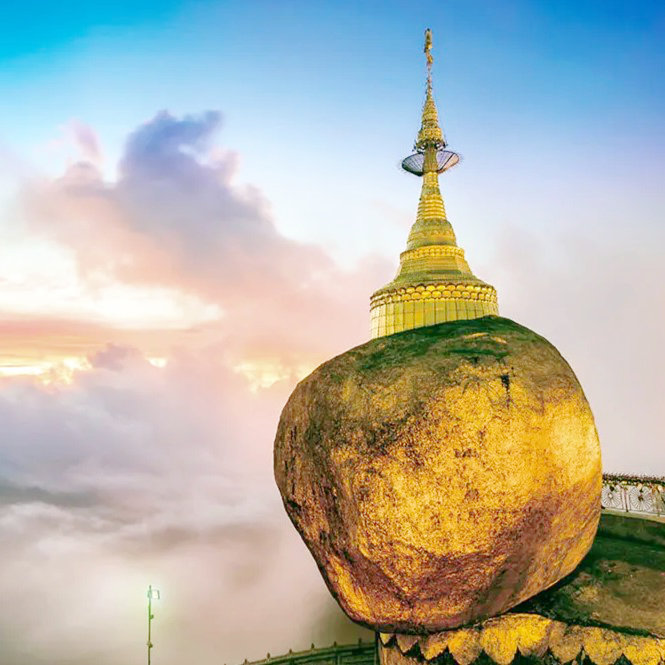
Near the end of his time as a monk, Masaki was meditating before sunrise at Golden Rock, a sacred site in Myanmar.
As the sky slowly began to brighten, tears started flowing for no clear reason.
He felt as though something was telling him:
“It’s all right. I am enough as I am.”
For the first time in his life, Masaki, who had struggled for years to accept himself, felt that he could simply be himself.
He did not need to be better than others.
His value did not depend on what he had achieved.
He had strengths and weaknesses, mistakes and regrets.
But all of them were part of his life.
He could accept that this was his life, including everything that had happened, and choose how to live from that moment forward.
For Masaki, this was the beginning of a new chapter in his life.
What Does “Make Yourself Your True Work” Mean?
“I will give my best to whatever work is right in front of me. My true work is myself.”
After returning from Myanmar, Masaki gradually came to express his way of life in these words.
Work, family, money, and personal interests are all important parts of life.
But they are not the whole of life.
Jobs and titles may change. Our surroundings and circumstances may change.
Yet from birth until the end of our lives, we are always living with ourselves.
“Make Yourself Your True Work” means taking ownership of your own life, making your own choices, experiencing and embracing what life brings, and living wholeheartedly as yourself.
It does not mean becoming someone special or achieving great success.
It means living your own life, even when you feel lost, uncertain, or imperfect.
Masaki values six guiding attitudes in this way of life:
- Do not compare yourself with others. — Do not measure your worth only by other people’s opinions or achievements.
- Be moved by your own life. — Follow what truly moves your heart, and appreciate yourself for having the courage to try, regardless of the result.
- Know what you truly need. — Recognize what matters most to you, without becoming attached to possessions, status, or recognition.
- Care for others. — Value yourself while also wishing for the happiness of others, and act with kindness without expecting anything in return.
- Face life’s challenges. — When life does not go as planned, face your circumstances as you are, accepting help when needed.
- Be grateful for each day. — Appreciate being alive, the people you meet, everyday experiences, and the person you have been throughout your life.
These are not rules to follow or goals to achieve.
They are attitudes that help Masaki live wholeheartedly, beginning with a simple acceptance:
“I am enough as I am.”
The Spirit Behind Pongyi
In 2009, Masaki opened Guesthouse Pongyi in Kanazawa.
He had no previous experience running a guesthouse.
But he had a dream: to create a place where travelers from around the world could meet and connect from the heart, beyond differences in nationality, language, and culture.
Strangers meet, talk, and laugh together.
Someone offers a helping hand when another person needs it.
These simple moments at a small guesthouse became a great source of joy for Masaki.
Doing something that truly moves his heart, and seeing that joy become happiness for others.
For Masaki, Pongyi became a place where he could put “Make Yourself Your True Work” into practice.
Living as He Is Today
In 2021, Masaki suffered a serious heart attack that greatly reduced his heart function.
He was later diagnosed with a rare spinal condition affecting his neck, which brought further physical limitations.
There are things he can no longer do as he once did, and he sometimes feels frustrated.
But he does not reject the person he is today.
His illness is now part of his life, too.
Instead of focusing only on what he has lost, he asks himself what he can do with the body and life he has now.
He continues to live in his own way, accepting help when needed.
Today, Pongyi is mainly managed by Nina, the guesthouse’s okami (hostess and manager).
Masaki visits from time to time, enjoys meeting travelers, and writes about what he has learned through his life.
A Life You Can Be Glad to Have Lived
There is a teaching from Cealo that Masaki continues to cherish:
“May all people be filled with the joy of living.”
“Make Yourself Your True Work” does not mean living only for yourself.
It also means wishing that others can live their own lives fully and joyfully.
At the heart of this way of life are gratitude and a simple prayer for the happiness of all.
But it is not only about praying.
It is about making your own choices, taking action, connecting with others, and experiencing each day as it comes.
Life does not always go the way we wish.
Still, Masaki hopes to live his own life wholeheartedly, so that one day, looking back, he can say:
“I’m truly glad I was born as myself.”
And he hopes that the travelers who visit Pongyi will also find joy in living their own unique lives.
Learn More About “Make Yourself Your True Work”
This page shares just a small part of Masaki’s journey and his philosophy of life.
He writes about his struggles as a banker, his experience as a monk in Myanmar, the founding of Pongyi, and how he continues to live after facing serious illness.
You can read more about his experiences and reflections on note (in Japanese).
Masaki | Make Yourself Your True Work
You can also find a booklet about Masaki’s life and philosophy, My True Work Is Myself, in Pongyi’s common room.
Please feel free to read it during your stay.
The Eight Guiding Principles
(A Path for Living “Make Yourself Your True Work”)
- Love yourself, and keep looking within as you walk your path.
- Do what moves your heart, and experience life without fearing failure.
- Do not compare yourself to others — have your own center.
- Know the minimum you truly need, and let go of attachment.
- Accept those who are different from you, and cherish a heart of giving.
- Face trials, and turn them into nourishment for growth.
- Be grateful for the simple moments of everyday life, and live each day completely.
- Live so earnestly that even death is forgotten.
These eight principles are the mindset for living the way of “Make Yourself Your True Work.”
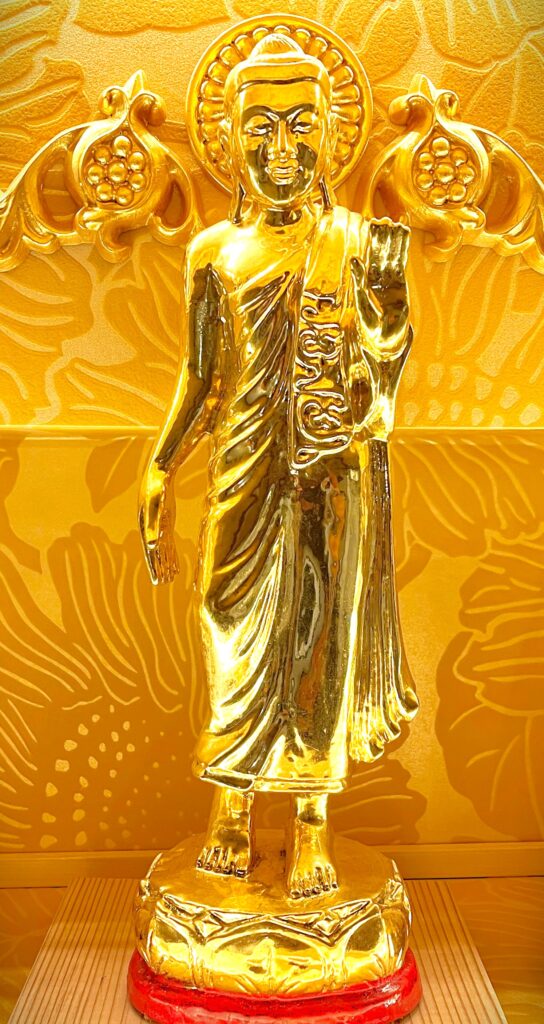
The Present and Beyond — Turning Trials into Strength
During the COVID-19 pandemic, the guesthouse suffered a severe blow.
In the midst of that hardship, Masaki collapsed from a heart attack.
The doctor told him, “Your heart has lost about half its function.”
His life was saved, but many limitations entered his daily living.
The following year, he was also diagnosed with a rare disease in his neck —
one that may one day take away the movement of his arms and legs.
Even so, he believes:
“Trials are chances for growth.”
His life has been a series of failures and setbacks,
but when asked, “Would you like to live your life again?”
he answers without hesitation:
“No. Now is the best.”
All that he has gone through has deepened him and shaped who he is today.
When Nina, the okami (manager) of Pongyi, said softly,
“Even if something happens to you, I will keep Pongyi going,”
her words gave him the strength to continue.
Now, he entrusts the guesthouse to Nina’s care
and quietly watches over its journey with gratitude.
4. Everyday Miracles — A Part of Your Journey
Everyday life itself is already a miracle.
Happiness is not something to search for — it is something that lives within you.
So I hope you, too, will have the courage to live as yourself.
And may your life become one where you can truly say:
“A life that moves my own heart.”
“I’m glad I was born as me.”
No matter what kind of day it is, today is the best day.
Let’s make tomorrow even better together.
Note
The text on this page includes excerpts from Pongyi Booklet (Revised Japanese Edition).
The words introduced here are part of the booklet “My True Work Is Myself.”
You can read the full booklet in the shared space at Guesthouse Pongyi.
Read More
I write essays and reflections about life, my experience as a monk in Myanmar, the founding of Guest House Pongyi, and the idea of “My True Work Is Being Myself.”
If you are interested, please continue reading.
I share more of my story on note, including reflections such as:
• Why did I still feel empty despite a successful life?
• How I came to live by the idea that “My True Work Is Being Myself”
↓
Masaki | My True Work Is Being Myself
Read the essay here:
httphttps://note.com/pongyiheart
The article can also be read in English using note’s automatic translation feature.